
What transforms a simple children’s story into a timeless classic? Why do the words of authors like Dr. Seuss and Roald Dahl still echo in our hearts decades after we first heard them? It’s not just nostalgia. It’s genius. The greatest children’s authors are not merely storytellers; they are master architects of language, emotion, and imagination. They understand the intricate wiring of a child’s mind and the universal truths that resonate with us all.
For the aspiring children’s author, studying these legends is not an exercise in imitation, but an education in fundamental principles. By deconstructing their work, we can uncover the techniques and strategies that elevate a story from a simple narrative to a cherished piece of cultural heritage. It’s about understanding the why behind the magic.
This article will go beyond a simple list of famous names. We will dissect the work of 10 literary giants, not just to celebrate their legacy, but to extract actionable lessons that you can apply to your own writing. We will explore the rhythmic mastery of Dr. Seuss, the courageous empathy of Maurice Sendak, the deliciously dark humor of Roald Dahl, and the profound simplicity of Eric Carle. Prepare to look at your favorite childhood books in a whole new light.

Dr. Seuss (Theodor Geisel): The Architect of Anarchy and Rhythm
The Lesson: Master the music of language to make complex ideas unforgettable.
No author has demonstrated the sheer power of rhythm and rhyme quite like Dr. Seuss. His seemingly nonsensical stories are, in fact, meticulously crafted linguistic masterpieces. With books like The Cat in the Hat, he famously used a restrictive vocabulary (just 236 unique words) to create a story so compelling that it revolutionized early reading education. His use of anapestic tetrameter—two short beats followed by a long one—creates a galloping, hypnotic rhythm that is irresistible to the ear.
Deconstruction for Writers: Seuss’s genius was not just in the rhyme, but in the tension he created between structured, predictable rhythm and wild, anarchic content. The Cat in the Hat brings chaos into a controlled environment, and the rigid poetic structure enhances the feeling of things spiraling out of control. For writers, the lesson is twofold. First, pay attention to the sound and cadence of your words. Read your work aloud. Does it have a musicality? Second, understand that constraints can fuel creativity. Limiting your vocabulary or adhering to a strict form can force you to find more inventive solutions.

Roald Dahl: The Champion of the Underdog and Master of Dark Humor
The Lesson: Don’t be afraid to embrace the dark, and always empower the child.
Roald Dahl’s worlds are often grotesque, unfair, and populated by monstrous adults. From the tyrannical Miss Trunchbull to the gluttonous Augustus Gloop, his villains are unforgettable. Yet, his stories are beloved because, in the face of this darkness, he always places power squarely in the hands of his child protagonists. Matilda, Charlie, and Sophie are underdogs who triumph not through magic wands, but through their own intelligence, kindness, and resilience.
Deconstruction for Writers: Dahl understood a fundamental truth: children know the world is not always a fair or safe place. By creating villains that are exaggerated caricatures of real-world injustices (greed, cruelty, neglect), he validates a child’s feelings and gives them a safe space to confront their fears. His use of dark humor makes these scary concepts palatable and even funny. The lesson for writers is to respect your young readers. Don’t patronize them with a world that is artificially sweet. Create genuine stakes, trust them to handle complexity, and most importantly, make your child protagonist the hero of their own story.
Beatrix Potter: The Pioneer of Integrated Narrative and Illustration
The Lesson: The words and the pictures are not separate; they are two halves of a single story.
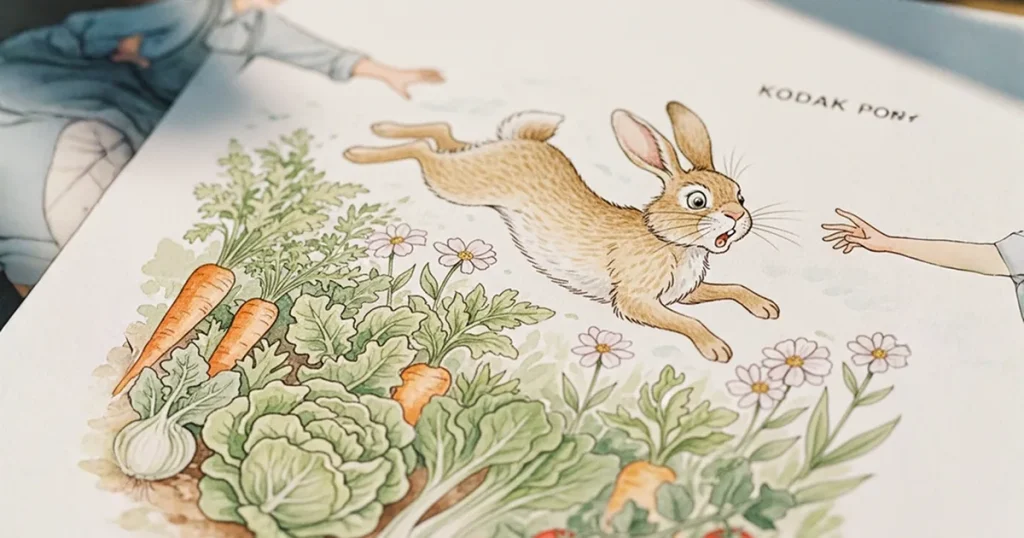
Long before the term “picture book” was common, Beatrix Potter was perfecting the art form. In The Tale of Peter Rabbit, the story is not just told in the text; it is equally, and sometimes more powerfully, told in her delicate watercolor illustrations. The look of terror in Peter’s eye as he is caught in Mr. McGregor’s garden conveys more emotion than a paragraph of prose ever could. Potter’s small, hand-sized books created an intimate, personal reading experience, and her use of a sophisticated, formal vocabulary never talked down to her young audience.
Deconstruction for Writers: For those who write and illustrate, Potter is the ultimate guide. Notice how her illustrations often show the action while the text provides the internal thought or the consequence. They work in harmony, each medium doing what it does best. For writers who do not illustrate, the lesson is to think visually. Write with an illustrator in mind. What moments are you creating that will be a joy to paint? What details can be left to the images, allowing your text to be more concise and impactful? Potter teaches us that in a picture book, every element—the size of the book, the style of the art, the language of the text—works together to create a unified whole.
Maurice Sendak: The Empath of Childhood Emotion
The Lesson: Validate the entire spectrum of children’s emotions, especially the ‘wild’ ones.
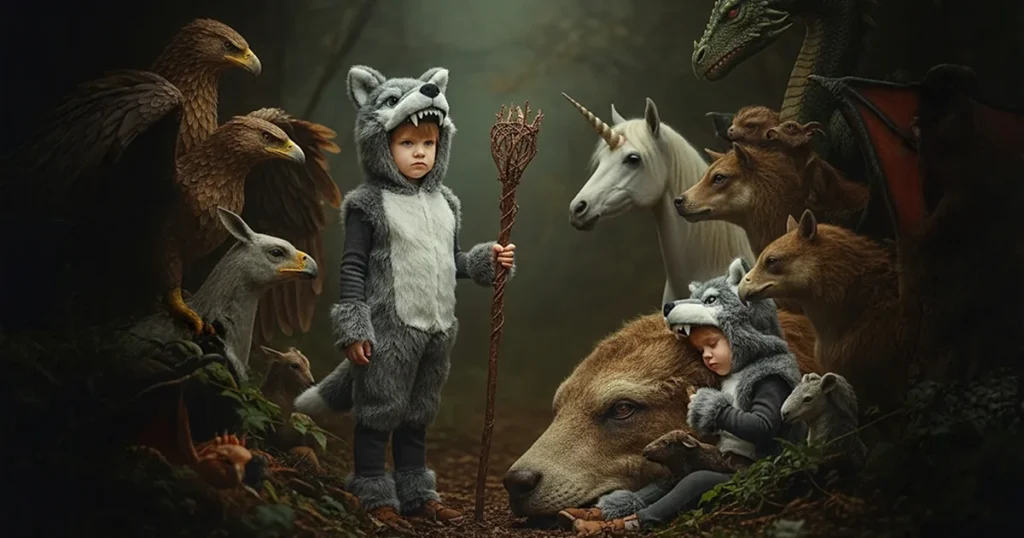
When Where the Wild Things Are was published in 1963, it was revolutionary and controversial. It dared to show a child, Max, who was angry and defiant. Sent to his room without supper, he doesn’t repent; he channels his rage into a fantastical journey to an island of monstrous creatures, whom he tames with a stare. Sendak’s genius was in his refusal to shy away from the raw, messy, and sometimes scary emotions of childhood. He understood that children feel anger, frustration, and a desire for control, and he gave them a story that honored those feelings.
Deconstruction for Writers: Sendak teaches us that the most powerful stories are those that are emotionally honest. Children’s literature is not about creating a sanitized world of happy-go-lucky characters. It’s about providing a safe container for children to explore their own complex inner lives. The ‘Wild Things,’ who are initially terrifying, become Max’s subjects and friends, showing that these big, scary feelings can be understood and mastered. The lesson is to trust your reader’s emotional intelligence. Write stories that acknowledge that it’s okay to be angry, sad, or scared. By validating these emotions, you build a deep and lasting connection with your reader.

Eric Carle: The Master of Simplicity and Interactive Design
The Lesson: Engage the senses and make the reader an active participant in the story.
Eric Carle’s work is a celebration of color, texture, and form. With his iconic tissue-paper collage style, he created a look that is instantly recognizable and deeply appealing to young children. But his genius goes beyond aesthetics. Books like The Very Hungry Caterpillar are masterpieces of interactive design. The die-cut holes that show the caterpillar’s path through the food invite little fingers to trace the journey. The varying page sizes that illustrate the caterpillar’s growth are a tactile representation of the story’s progression. The story is not just read; it is experienced.
Deconstruction for Writers: Carle’s work reminds us that a book is a physical object. How can you use the form of the book itself to enhance your story? While not all writers are illustrators, you can still think like a designer. Consider the pacing of your story. How do page turns create suspense or reveal a surprise? Can you incorporate repetitive, interactive elements that encourage participation? Carle also teaches a profound lesson in simplicity. The Very Hungry Caterpillar is a multi-layered story—it teaches counting, the days of the week, nutrition, and the life cycle of a butterfly—but it does so with an elegant simplicity that never feels didactic. The lesson is to layer your meaning, but keep your execution clean and focused on the core narrative.
Shel Silverstein: The Poet of Absurdity and Profound Questions
The Lesson: Use humor and absurdity to ask life’s biggest questions.
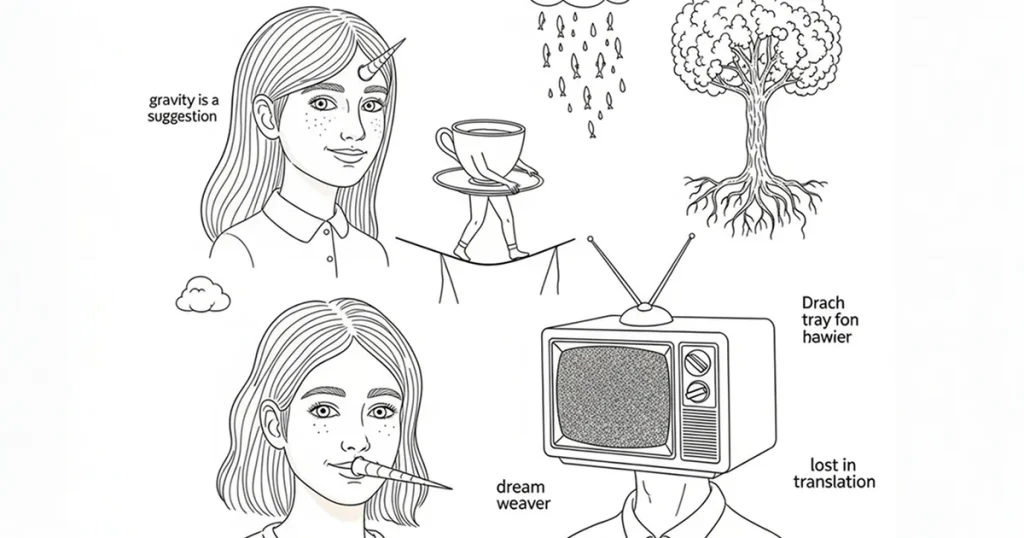
Shel Silverstein was a master of the unexpected. His poems and drawings, in books like Where the Sidewalk Ends and A Light in the Attic, are a delightful mix of the silly, the strange, and the deeply profound. He could write about a girl who turns into a television set or a boy with a horn in his chin, and in the very next poem, explore the complex, bittersweet nature of self-sacrifice, as in The Giving Tree. His work is a testament to the idea that children are capable of grappling with complex philosophical ideas, as long as they are presented in an engaging and accessible way.
Deconstruction for Writers: Silverstein’s brilliance lies in his ability to approach profound topics from a sideways angle. He doesn’t preach; he wonders. His use of absurdity and humor disarms the reader, making them receptive to the deeper message. The drawings are an essential part of the experience, often providing a punchline or a poignant counterpoint to the text. The lesson for writers is to not be afraid to be weird. Embrace the absurd. Use humor as a vehicle for truth. And most importantly, ask questions rather than providing answers. Trust your readers to find their own meaning in your work, and in doing so, you empower them to become thinkers and more thoughtful and inquisitive people.

C.S. Lewis: The World-Builder of Allegory and Wonder
The Lesson: Build a world so immersive and internally consistent that it can serve as a vessel for profound thematic exploration.
Clive Staples Lewis, a fellow of Oxford University, was a master of academic and theological discourse, but it is his creation of Narnia that has made him a household name. The Chronicles of Narnia are more than just fantasy stories; they are intricate allegories woven into a fully realized secondary world. From the detailed geography and history to the unique rules of magic and the distinct personalities of its talking beasts, Narnia feels as real and as solid as our own world. This deep world-building allows the stories to operate on multiple levels simultaneously—as thrilling adventures for children and as complex theological explorations for adults.
Deconstruction for Writers: Lewis teaches us the importance of the iceberg principle in world-building. The reader only sees the tip—the story itself—but they can feel the immense, unseen weight of the world beneath the surface. This sense of depth and history makes the world believable and allows the author to explore complex themes without resorting to heavy-handed exposition. For writers, especially those in fantasy or science fiction, the lesson is to do the hard work of building your world before you start telling your story. Know its rules, its history, its cultures. This underlying structure will give your narrative a weight and a resonance that it would otherwise lack, and it will provide a solid foundation upon which you can build powerful allegories and themes.
A.A. Milne: The Poet of Innocence and Friendship
The Lesson: Find the universal in the specific, and capture the authentic voice of childhood innocence.
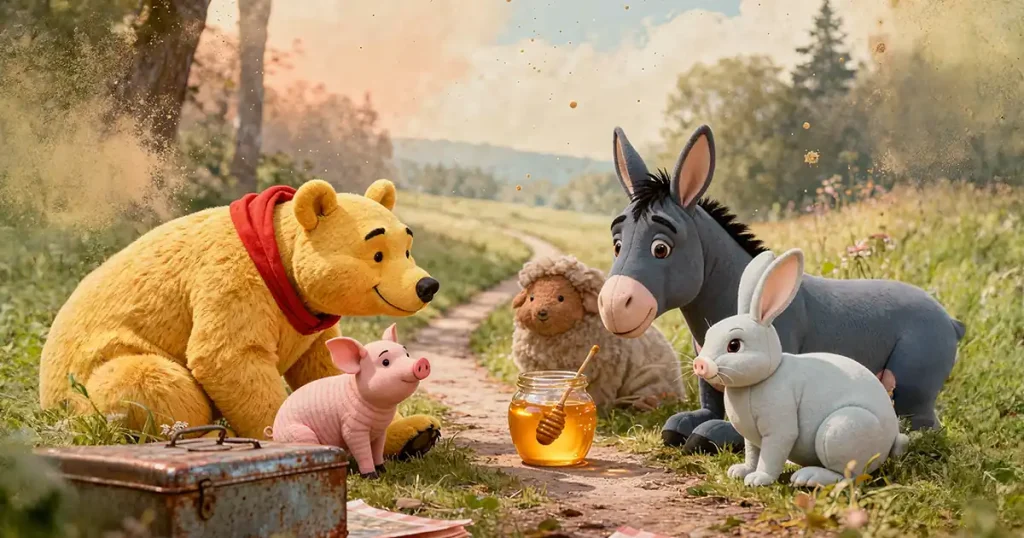
Alan Alexander Milne’s stories of Winnie-the-Pooh and the Hundred Acre Wood are a masterclass in character and voice. Inspired by his own son, Christopher Robin, and his collection of stuffed animals, Milne created a world that feels both deeply personal and universally relatable. Each character embodies a single, powerful aspect of childhood emotion: Pooh’s simple-minded optimism, Piglet’s anxiety, Eeyore’s melancholy, and Rabbit’s bossiness. The stories are not driven by grand plots, but by the small, gentle adventures and the tender, often humorous, interactions between these friends.
Deconstruction for Writers: Milne’s genius lies in his ability to capture the authentic, unadulterated voice of a child. The language is simple but not simplistic, and the observations are profound in their innocence. He reminds us that children’s stories don’t need epic battles or high-stakes drama to be compelling. The quiet exploration of friendship, the gentle humor of a misunderstanding, and the comfort of a familiar place can be just as powerful. The lesson for writers is to listen to the way children actually talk and think. Find the emotional core of your characters and let their interactions drive the story. Sometimes, the most profound stories are the ones that are the most simple and true.
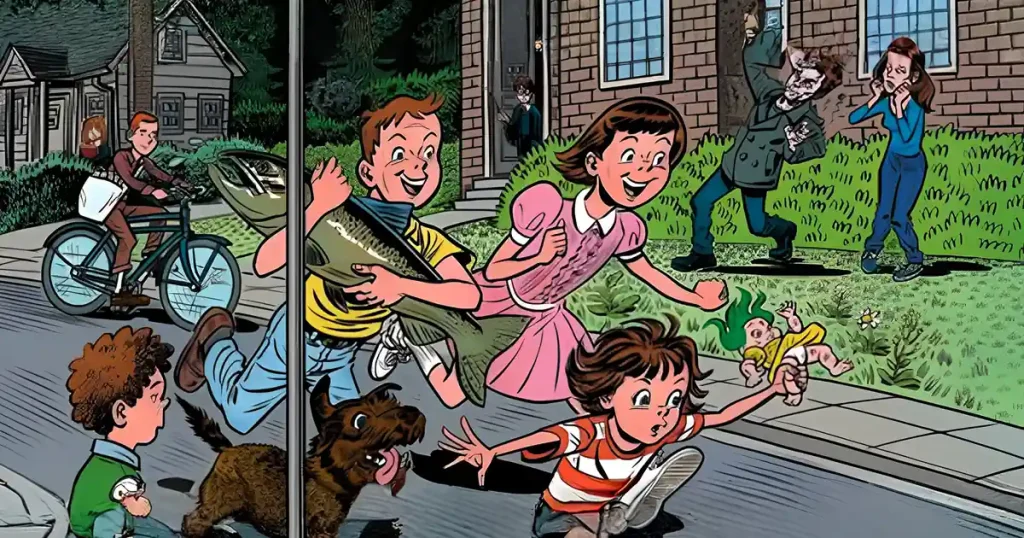
Beverly Cleary: The Chronicler of Everyday Childhood
The Lesson: The ordinary, everyday problems of a child are worthy of great literature.
In a world of fantasy and adventure, Beverly Cleary made a radical choice: she wrote about real life. Her characters, like Ramona Quimby and Henry Huggins, were not orphans or chosen ones; they were ordinary kids living in an ordinary neighborhood, dealing with the ordinary, and yet monumentally important, problems of childhood. From the terror of the first day of school to the frustration of being the younger sibling, Cleary captured the authentic emotional landscape of a child’s world with unparalleled empathy and humor. She made the mundane magical.
Deconstruction for Writers: Cleary’s work is a powerful reminder that you don’t need a fantastical premise to write a compelling story. The internal world of a child is rich with drama, comedy, and pathos. The key is to treat these everyday problems with the same seriousness and respect that a child does. Cleary’s writing is a masterclass in perspective. Everything is filtered through the child’s point of view, and the adults are often seen as baffling, and sometimes unreasonable, figures on the periphery. The lesson is to find the drama in the everyday. Write with empathy, honesty, and a deep respect for the emotional lives of your characters. Your readers will thank you for it.
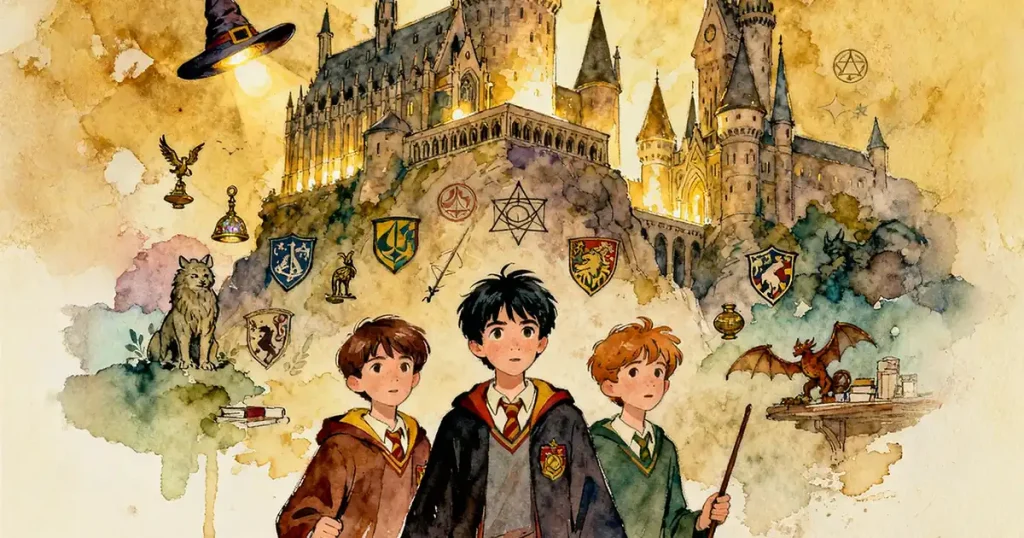
J.K. Rowling: The Architect of the Modern Epic
The Lesson: Combine classic archetypes with meticulous long-form plotting to create a global phenomenon.
J.K. Rowling’s Harry Potter series is a cultural touchstone, and its success is a testament to her extraordinary ability to weave a complex, multi-layered narrative over the course of seven epic novels. She masterfully blends classic literary archetypes—the orphan hero, the wise mentor, the dark lord—with a meticulously planned plot that is filled with mysteries, red herrings, and foreshadowing that pays off hundreds of pages, and even several books, later. The world of Hogwarts is both fantastical and deeply relatable, a place of magic that is still grounded in the familiar trials of friendship, homework, and growing up.
Deconstruction for Writers: Rowling’s work is a masterclass in long-form storytelling. For writers of series, the lesson is to plan ahead. The intricate plotting of the Harry Potter series is a result of careful outlining and a deep understanding of where the story is going from the very beginning. She also teaches us the power of a well-realized world. Hogwarts is more than just a school; it is a character in its own right, with its own history, traditions, and secrets. But perhaps the most important lesson from Rowling is the importance of theme. At its core, the Harry Potter series is a story about love, loss, prejudice, and the choices we make. These universal themes are what give the story its emotional weight and its enduring power.
The Legacy of Legends
From the rhythmic anarchy of Dr. Seuss to the epic plotting of J.K. Rowling, these ten authors represent a masterclass in the art and science of children’s literature. They teach us that the best children’s stories are not simple or saccharine; they are complex, emotionally honest, and deeply respectful of their audience. They remind us that writing for children is not a lesser form of literature; it is perhaps the most important, for it is in these early stories that we first learn about the world, and about ourselves.
As you embark on your own writing journey, let these legends be your guides. Deconstruct their work, analyze their techniques, and, most importantly, understand the principles behind their success. But do not seek to imitate them. The final lesson they teach us is the most important one of all: find your own unique voice, tell the stories that only you can tell, and write with courage, honesty, and a deep and abiding love for the magic of a well-told story.told story.