The landscape of children’s literature is undergoing a vibrant and long-overdue transformation. While the classic authors of the 20th century built the foundations of the genre, a new generation of creators is constructing a more inclusive, representative, and emotionally resonant world for young readers. These are the modern classics, the authors whose work is not only winning the most prestigious awards but also capturing the hearts and minds of children and parents alike.
For aspiring authors, studying these rising stars is not just recommended; it is essential. The children’s book market of today is not the same as it was thirty, twenty, or even ten years ago. Today’s young readers are more globally connected, socially aware, and emotionally intelligent than any generation before them. They crave stories that reflect their own diverse experiences, that tackle complex themes with honesty and hope, and that push the boundaries of what a children’s book can be.
This article will shine a spotlight on 10 of these trailblazing authors and illustrators. We will explore how they are redefining the genre, from the groundbreaking graphic novels of Jerry Craft to the lyrical picture books of Jacqueline Woodson. By analyzing their work, we will uncover crucial lessons about writing for today’s kids, lessons that will help you create stories that are not only marketable but also meaningful.
Jacqueline Woodson: The Poet of Quiet Power and Identity
The Lesson: Find the poetry in everyday moments and write with a lyrical grace that respects the emotional depth of your readers.
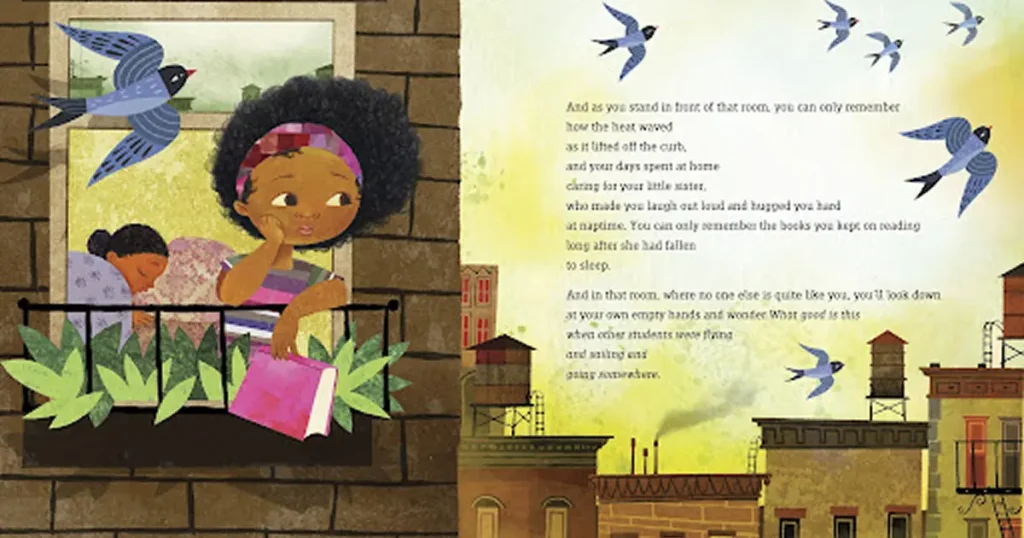
Jacqueline Woodson is a literary treasure. With a National Book Award, a Newbery Honor, and a MacArthur “Genius” Grant to her name, her work consistently demonstrates a profound understanding of the inner lives of children. Books like The Day You Begin and the Caldecott Honor-winning Each Kindness are masterpieces of quiet power. She tackles complex themes of identity, belonging, and empathy not with grand pronouncements, but with a gentle, lyrical prose that feels like a warm conversation.
Deconstruction for Writers: Woodson’s writing is a masterclass in subtlety and emotional resonance. She understands that for a child, the smallest moments can hold the greatest significance. Her stories often hinge on a quiet observation, a shared glance, or an unspoken feeling. She teaches us that you don’t need a loud plot to tell a powerful story. The lesson for writers is to slow down. Find the poetry in the mundane. Trust that your readers have a rich inner life and write in a way that honors their intelligence and emotional capacity. Read her work to understand how to write with a quiet confidence that speaks volumes.
Jerry Craft: The Architect of the Modern Middle-Grade Graphic Novel
The Lesson: Use the graphic novel format to tackle complex social issues with humor, heart, and authenticity.
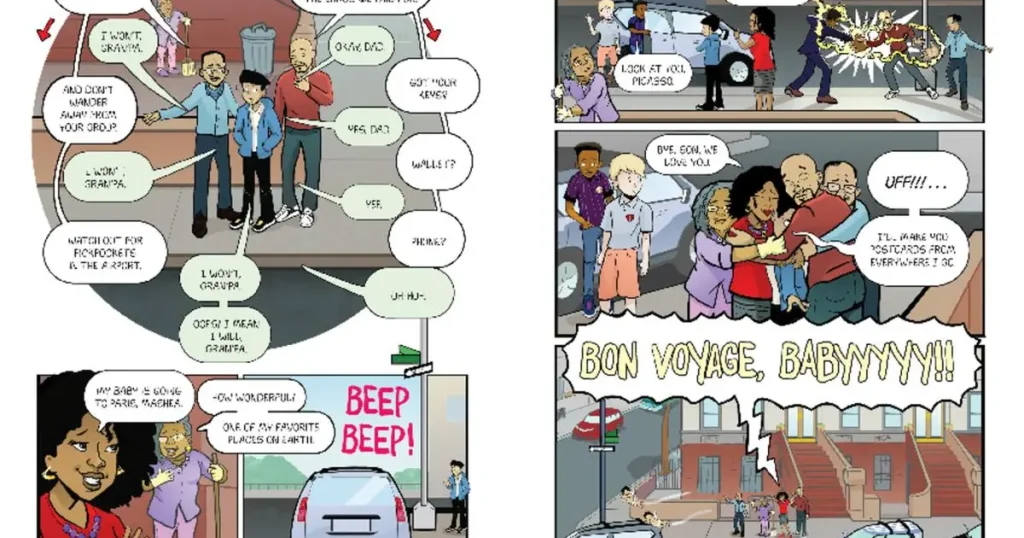
Jerry Craft’s New Kid made history as the first graphic novel to win the prestigious Newbery Medal, and for good reason. It is a brilliant, funny, and deeply moving story about a 12-year-old African American boy who finds himself navigating the unfamiliar world of a prestigious, predominantly white private school. Craft uses the graphic novel format to its full potential, blending expressive character art, laugh-out-loud funny sight gags, and subtle visual metaphors to explore complex themes of code-switching, microaggressions, and the search for identity.
Deconstruction for Writers: New Kid is a masterclass in showing, not telling. The visual nature of the graphic novel allows Craft to convey complex social dynamics in a way that is immediately accessible to young readers. For writers, whether you draw or not, the lesson is to think visually. How can you use visual storytelling, even in a prose novel, to enhance your narrative? Craft also teaches us the power of humor as a tool for social commentary. By making his readers laugh, he opens them up to the more serious themes of the book. The lesson is to not be afraid to tackle big, important topics, but to do so with a touch of humor and a whole lot of heart.
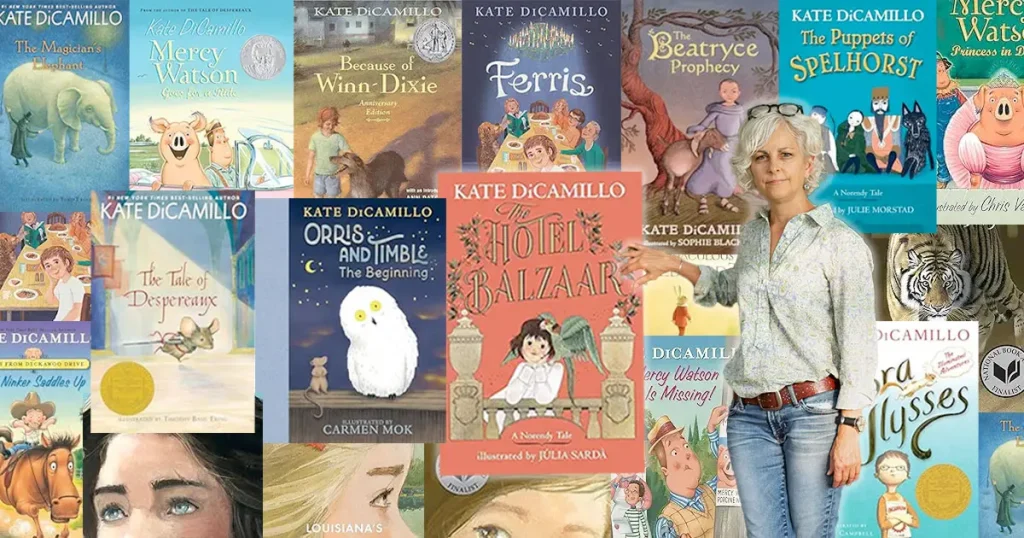
Kate DiCamillo: The Weaver of Hopeful, Lyrical Fables
The Lesson: Blend literary prose with classic storytelling archetypes to create modern fables that feel both timeless and fresh.
Kate DiCamillo is one of only six authors to have won two Newbery Medals, for The Tale of Despereaux and Flora & Ulysses. Her work is characterized by its beautiful, lyrical prose and its exploration of profound themes like hope, loss, and redemption. She has a unique ability to create stories that feel like classic fables, often featuring animal protagonists and epic quests, but are grounded in a thoroughly modern emotional reality. Her characters, whether a mouse in love with a princess or a squirrel who becomes a superhero, are always complex, flawed, and deeply relatable.
Deconstruction for Writers: DiCamillo’s work is a testament to the power of beautiful language. She never dumbs down her prose for her young audience. Her sentences are elegant, her vocabulary is rich, and her metaphors are striking. She teaches us that writing for children can be, and should be, a literary endeavor. The lesson for writers is to elevate your craft. Pay attention to the rhythm and beauty of your sentences. Don’t be afraid to use sophisticated language. But also, learn from her mastery of classic storytelling. Her plots are often simple, archetypal quests that are easy for a child to follow, which provides a strong scaffold for her more complex thematic and emotional explorations.
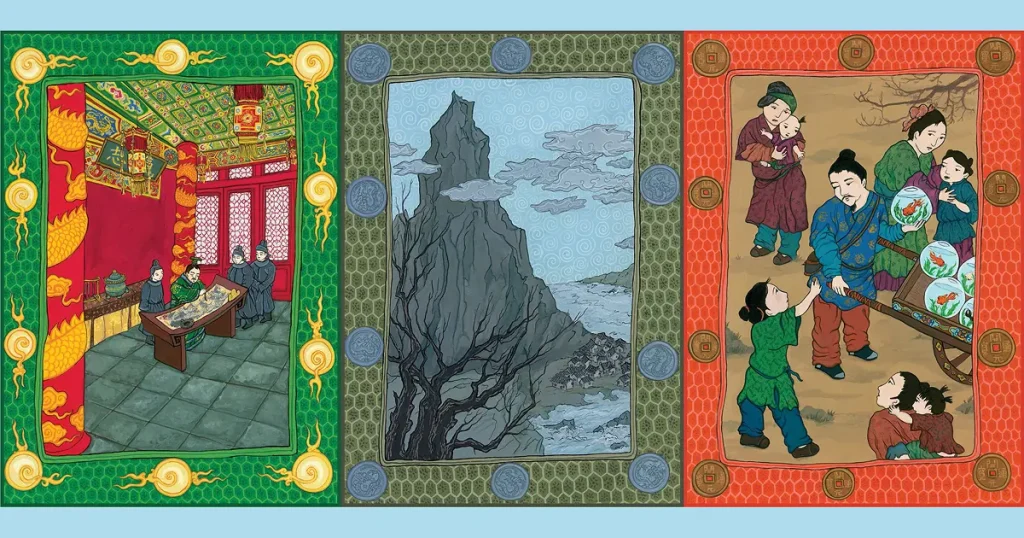
Grace Lin: The Champion of #OwnVoices and Cultural Storytelling
The Lesson: Draw upon the richness of your own culture and heritage to create stories that are both specific and universal.
Grace Lin is a tireless advocate for diversity in children’s literature and a leading voice in the #OwnVoices movement. Her Newbery Honor-winning novel, Where the Mountain Meets the Moon, is a stunning example of how to weave personal heritage into a universally appealing story. The book is a fantasy adventure that is deeply rooted in Chinese folklore, but its themes of family, friendship, and the power of storytelling are relatable to readers of all backgrounds. Her picture books, like A Big Mooncake for Little Star, are equally beautiful, offering gentle introductions to cultural traditions.
Deconstruction for Writers: Lin’s work teaches us that specificity is the key to universality. By writing from a place of authentic cultural knowledge, she creates a world that is rich, detailed, and believable. The specific details of Chinese folklore are what make the story feel so fresh and unique, but it is the universal human emotions of the characters that make it resonate. The lesson for writers is to embrace your own unique background and perspective. Don’t be afraid to write from your own cultural experience. Your specific story, told with honesty and heart, has the power to connect with readers from all walks of life.
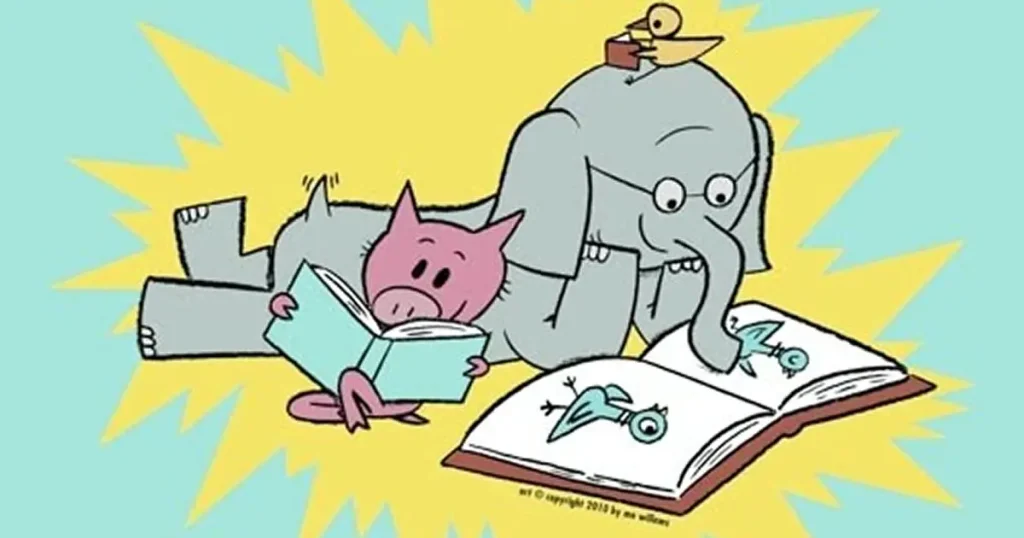
Mo Willems: The Minimalist Master of Toddler Psychology
The Lesson: Master the art of minimalism to create maximum emotional impact.
Mo Willems is a rock star in the world of picture books. With his iconic characters like the Pigeon, and the duo of Elephant and Piggie, he has captured the hearts of toddlers and parents everywhere. His genius lies in his radical simplicity. The illustrations are often little more than a few expressive lines, and the text is sparse and direct. Yet, in this minimalism, he manages to capture the entire spectrum of toddler psychology, from the irrational rage of not getting what you want (in Don’t Let the Pigeon Drive the Bus!) to the complex anxieties of friendship (in the Elephant and Piggie series).
Deconstruction for Writers: Willems is a master of subtext. The humor and the emotion in his books are often found in the gap between what is being said and what is being shown. The Pigeon’s increasingly desperate pleas are funny because we, the reader, know he will never be allowed to drive the bus. For writers, the lesson is to trust your illustrator and to embrace the power of subtext. What can you leave unsaid? How can you use the interplay between the text and the images to create humor and depth? Willems teaches us that in picture books, less is almost always more.
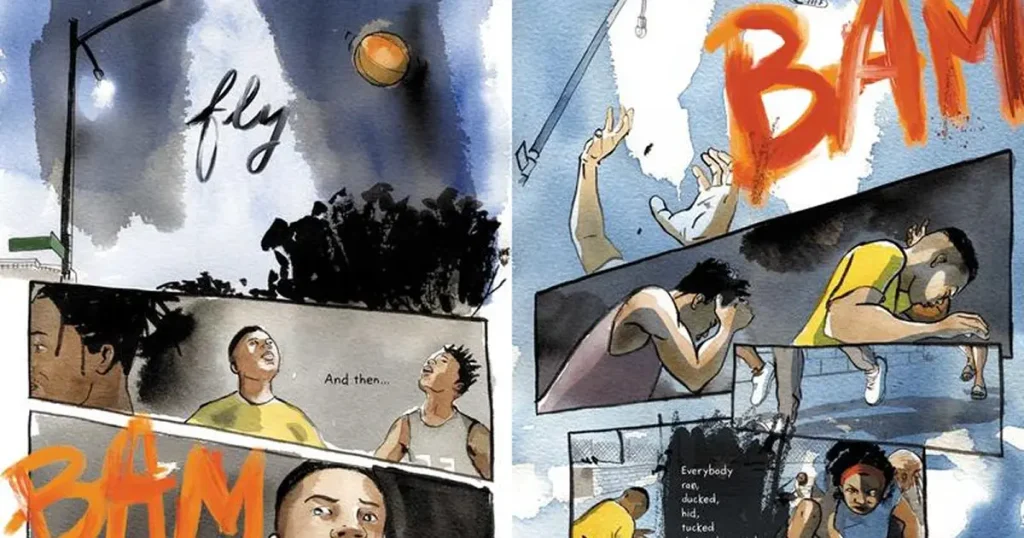
Jason Reynolds: The Voice of the Unheard and the Reluctant Reader
The Lesson: Write with an authentic, contemporary voice that speaks directly to the reality of young people’s lives.
Jason Reynolds is a literary phenomenon. As a National Ambassador for Young People’s Literature, he has become a powerful advocate for getting kids, especially boys and children of color, to read. His books, like the award-winning Ghost and Long Way Down, are raw, honest, and unflinching in their portrayal of the challenges and triumphs of modern urban life. He writes in a voice that is immediate, authentic, and crackling with energy, often incorporating elements of poetry and hip-hop into his prose.
Deconstruction for Writers: Reynolds’ work is a powerful lesson in the importance of voice. He doesn’t write at his audience; he writes to them, in a language that they understand and recognize. He meets them where they are, and in doing so, he earns their trust. He teaches us that to connect with reluctant readers, you have to tell stories that are relevant to their lives and that reflect their own experiences. The lesson is to listen to the young people around you. Pay attention to the rhythms of their speech, the issues they care about, and the stories they are telling each other. Write with an honesty and an authenticity that cannot be faked.
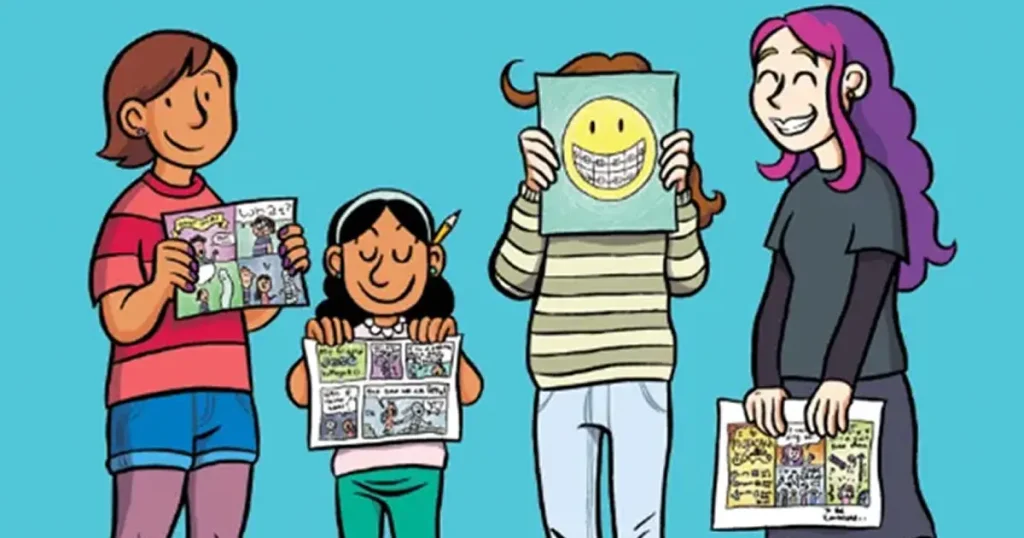
Raina Telgemeier: The Queen of the Relatable Graphic Memoir
The Lesson: Turn the anxieties and embarrassments of childhood into a source of humor and connection.
Raina Telgemeier is arguably the most popular cartoonist in North America. Her graphic memoirs, like Smile, Sisters, and Guts, are perennial bestsellers that have created a whole new generation of comic book lovers. Her superpower is her radical relatability. She writes with unflinching honesty about the anxieties of dental drama, the frustrations of sibling rivalry, and the terrors of a nervous stomach. Her art style is clean, expressive, and perfectly suited to her humorous and heartfelt storytelling.
Deconstruction for Writers: Telgemeier’s success is a powerful reminder that vulnerability is a strength. By sharing her own embarrassing and anxious moments, she creates a powerful bond with her readers, who see their own struggles reflected in her stories. She teaches us that the most personal stories are often the most universal. The lesson for writers is to not be afraid to dig into your own childhood experiences, especially the ones that felt awkward or embarrassing at the time. Your vulnerability can be a gift to your readers, letting them know that they are not alone.
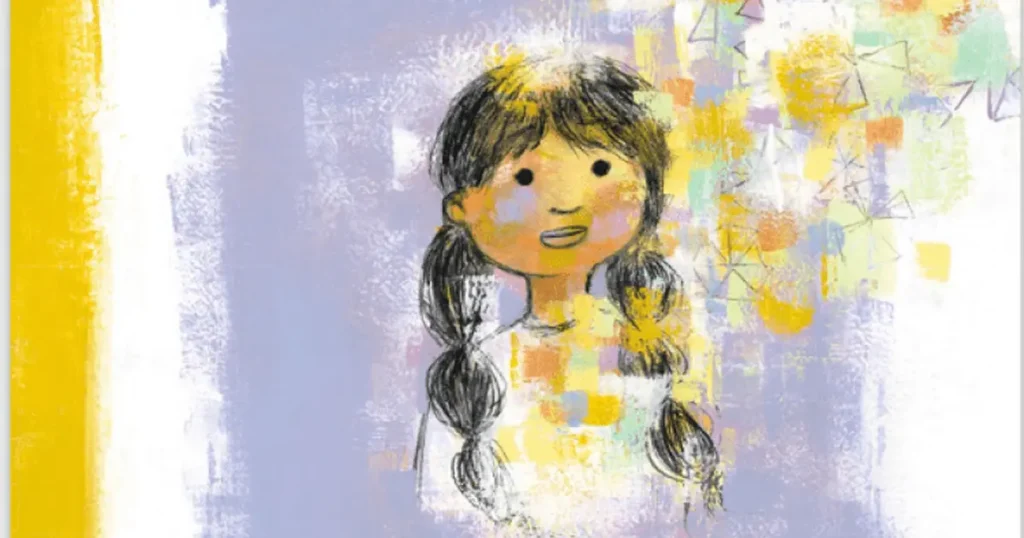
Matt de la Peña: The Lyrical Chronicler of the Overlooked
The Lesson: Find the beauty and the hope in the lives of those who are often invisible in our society.
Matt de la Peña’s work is both gritty and lyrical, a unique blend of social realism and poetic prose. In his Newbery Medal-winning picture book, Last Stop on Market Street, he tells the story of a young boy and his grandmother on a bus ride through their city. The book is a celebration of community, a meditation on finding beauty in unexpected places, and a gentle lesson in empathy. His young adult novels are equally powerful, often exploring the lives of working-class teens with a raw honesty and a deep sense of compassion.
Deconstruction for Writers: De la Peña teaches us that children’s literature can be a powerful tool for social commentary. His stories often shine a light on the lives of characters who are not often seen in mainstream media, and he does so without ever being preachy or didactic. The lesson is to write with empathy and a social conscience. Look for the stories that are not being told. Who are the invisible people in your community? What are their hopes and dreams? By telling their stories with honesty and grace, you can create a more inclusive and empathetic world.

Dan Santat: The Visual Virtuoso of Whimsy and Heart
The Lesson: Combine cinematic visuals with a powerful emotional core to create stories that are both spectacular and intimate.
Dan Santat is a visual powerhouse. As the creator of the Caldecott Medal-winning The Adventures of Beekle: The Unimaginary Friend, and the illustrator of countless other beloved books, his style is dynamic, cinematic, and bursting with energy. He is a master of light, color, and composition, and his illustrations often have the feel of an animated film. But beneath the spectacular visuals, there is always a powerful emotional core. His stories are about friendship, courage, and the power of imagination.
Deconstruction for Writers: Santat’s work is a masterclass in visual storytelling. For illustrators, his work is a study in how to use dynamic camera angles, dramatic lighting, and expressive character design to create a sense of action and emotion. For writers, the lesson is to think like a filmmaker. What are the key emotional moments in your story? How can you “show” them in a way that is visually interesting? Santat teaches us that a picture book can be as epic and as emotionally resonant as a feature film.
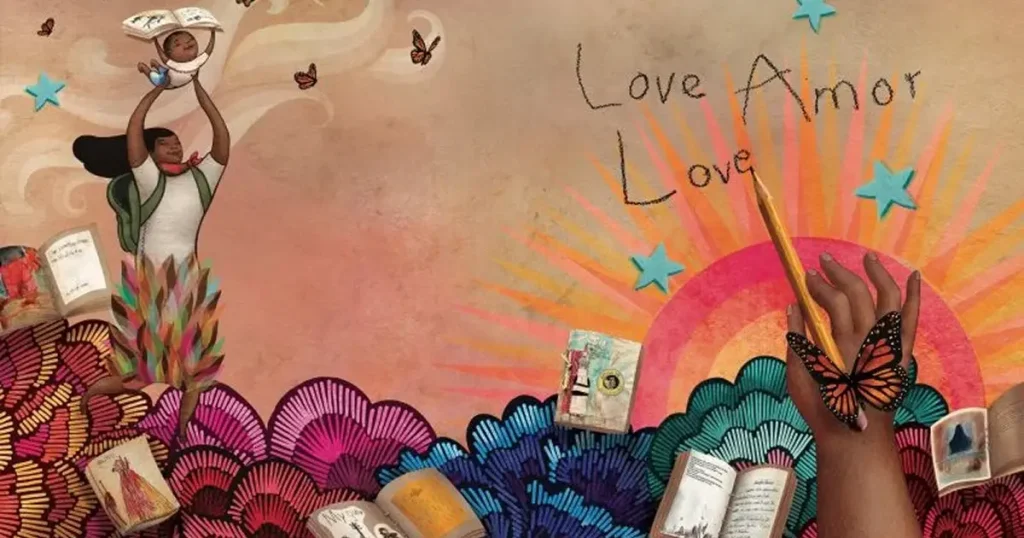
Yuyi Morales: The Magical Realist of the Borderlands
The Lesson: Weave magical realism with personal experience to explore the complex realities of immigration and identity.
Yuyi Morales is a multi-award-winning author and illustrator whose work is a vibrant celebration of her Mexican heritage. Her Pura Belpré Award-winning book, Dreamers, is a stunning and deeply personal story of her own experience as an immigrant to the United States. She uses a unique blend of illustration, photography, and embroidery to create a rich, textured visual landscape. Her use of magical realism allows her to explore the emotional and psychological realities of the immigrant experience in a way that is both accessible and profound.
Deconstruction for Writers: Morales’ work is a powerful example of how to use art to tell a personal and political story. She teaches us that our own life stories can be the source of our most powerful work. The lesson for writers is to not be afraid to be personal, to be political, and to be experimental. Morales’ use of mixed media is a reminder that there are no rules in art. Use whatever tools you have at your disposal to tell your story in the most authentic and powerful way possible.
Writing for the Future
The work of these ten authors provides a roadmap for anyone who wants to write for children today. They teach us to be honest, to be empathetic, to be brave, and to be innovative. They show us that the future of children’s literature is one that is more inclusive, more diverse, and more emotionally resonant than ever before. The stories we tell our children matter. Let’s tell them good ones. good ones.